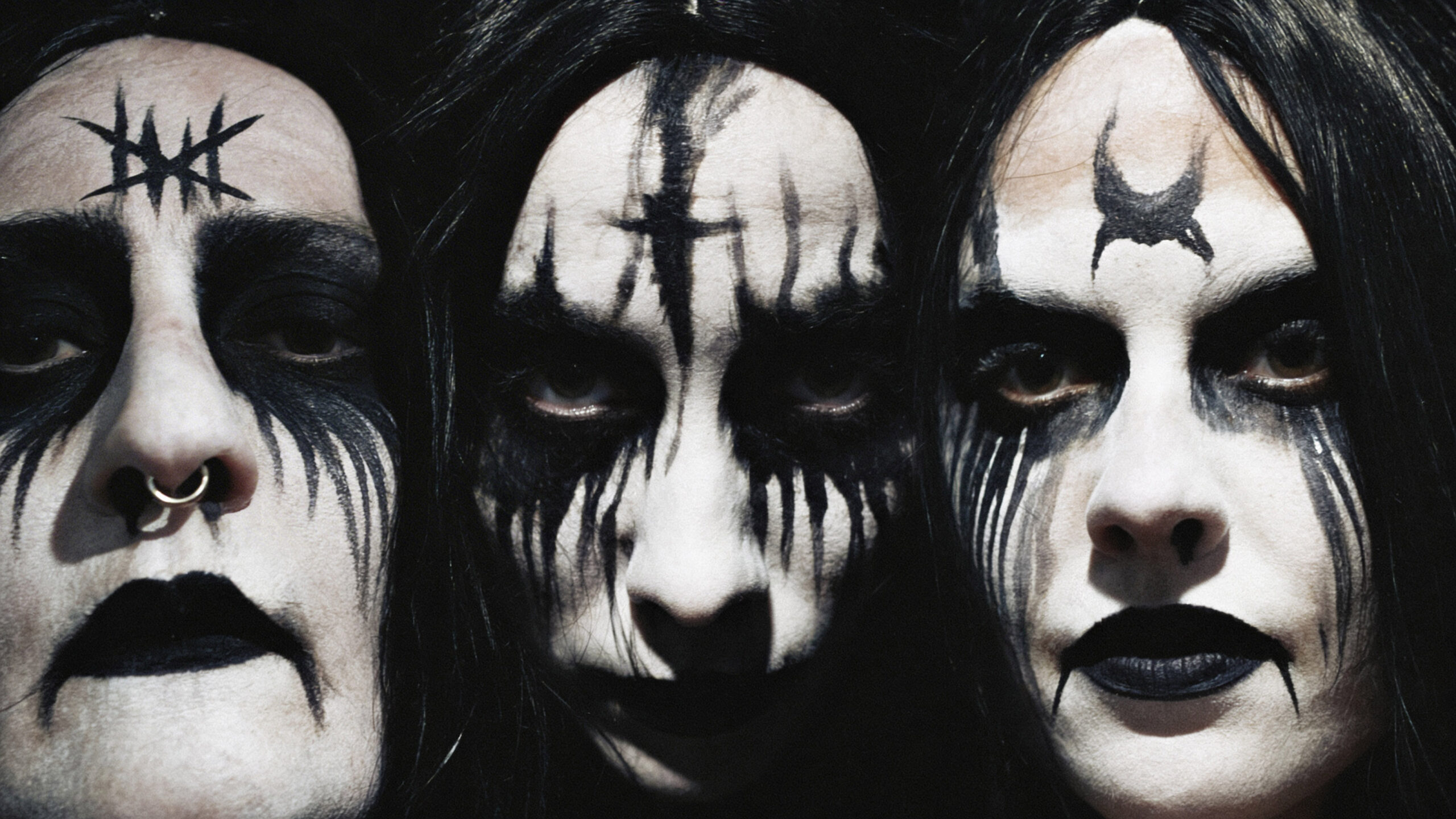
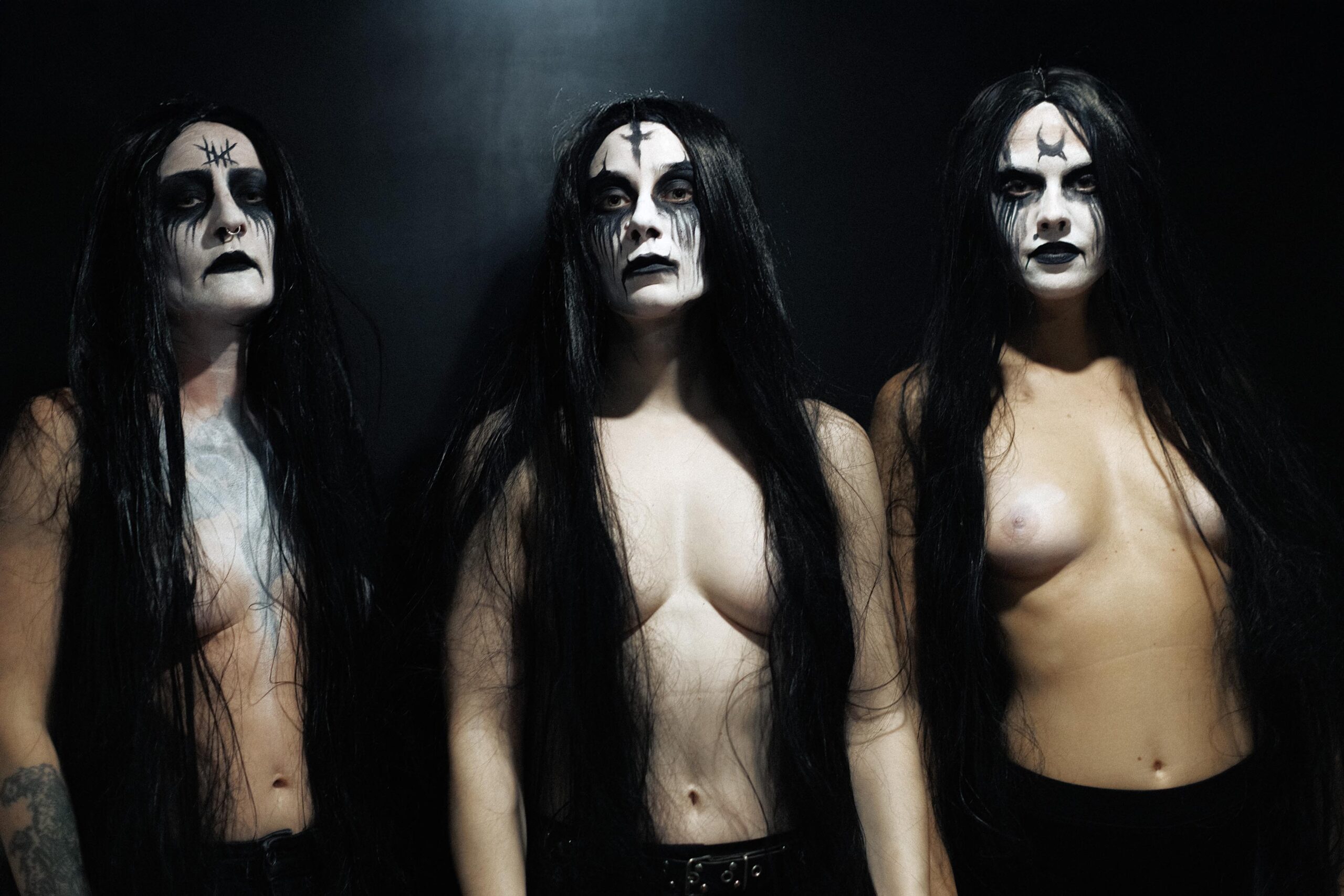
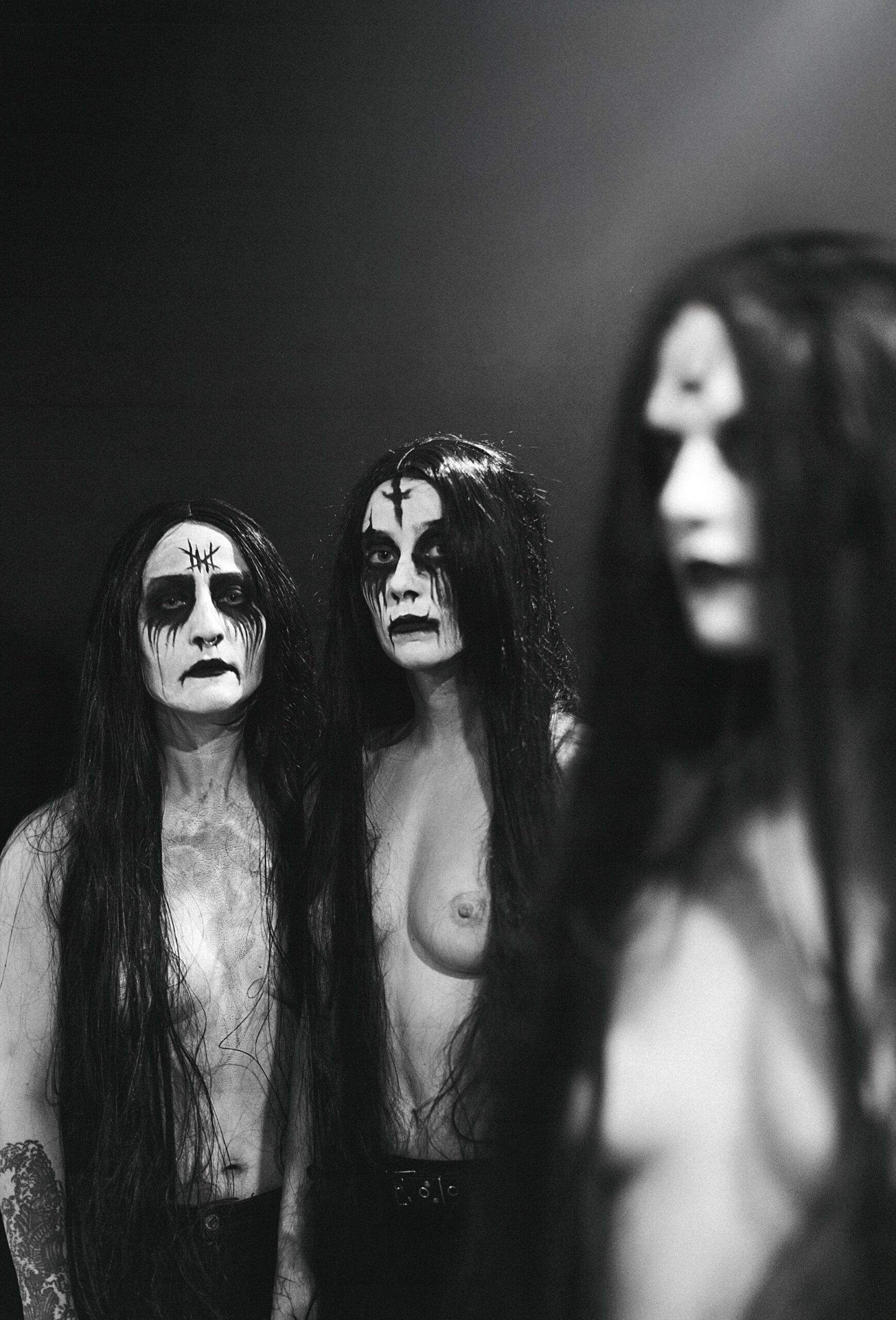
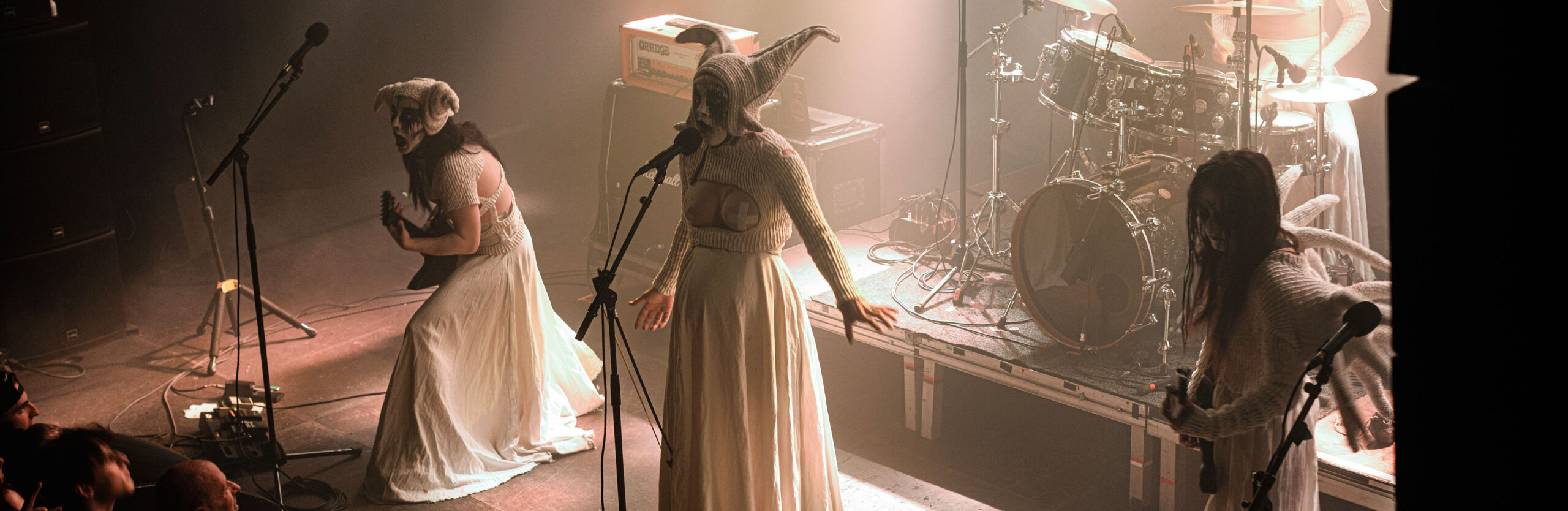
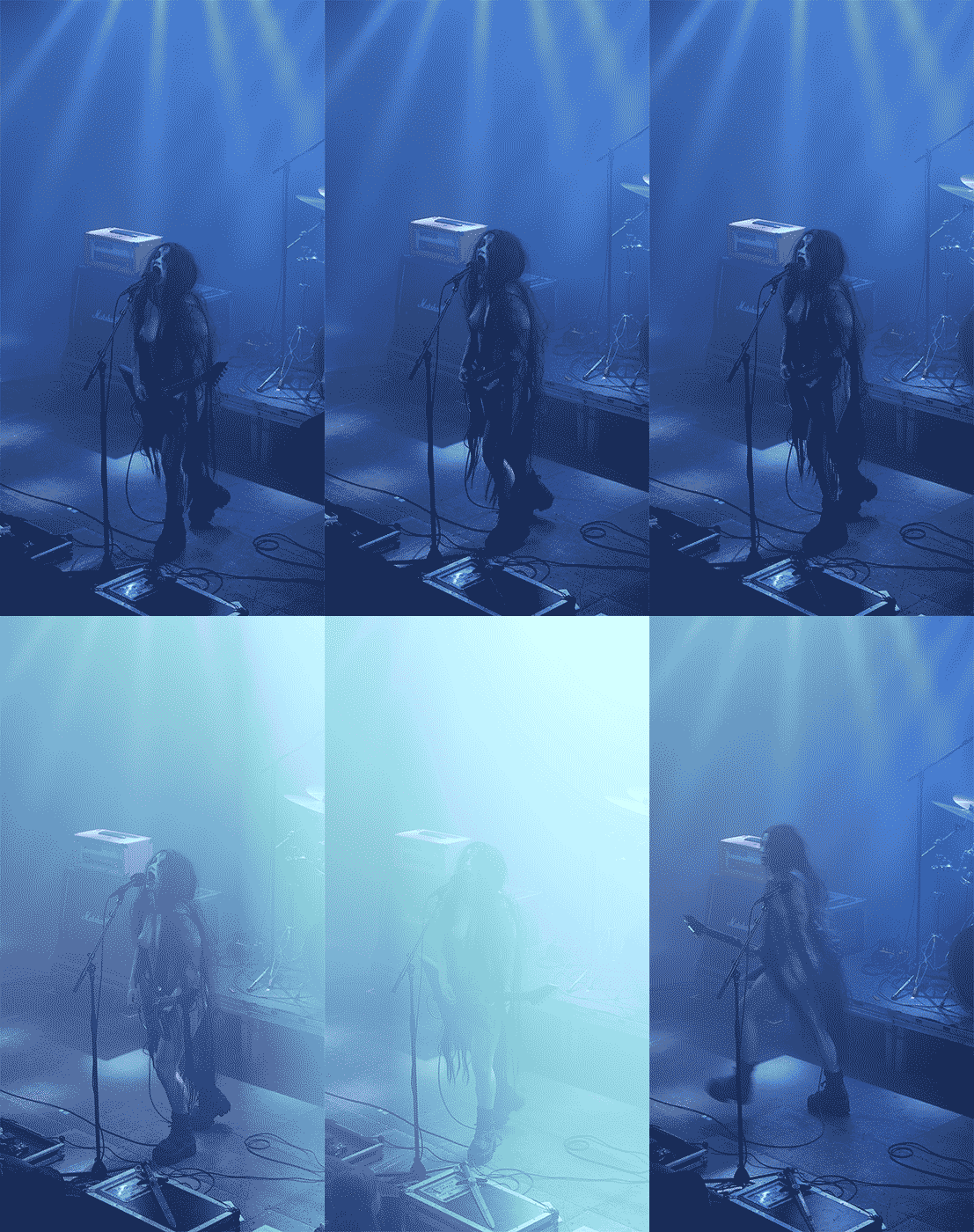
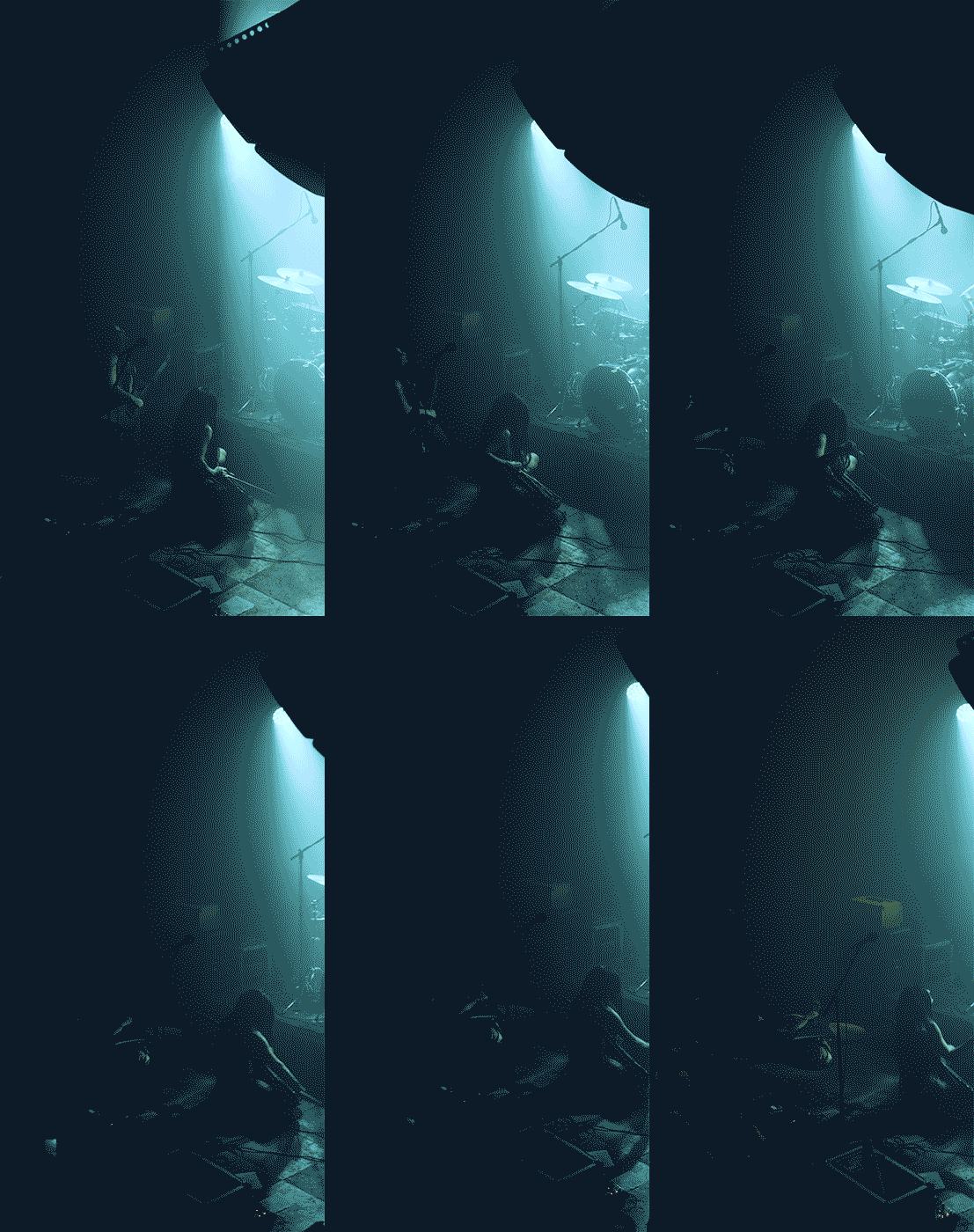
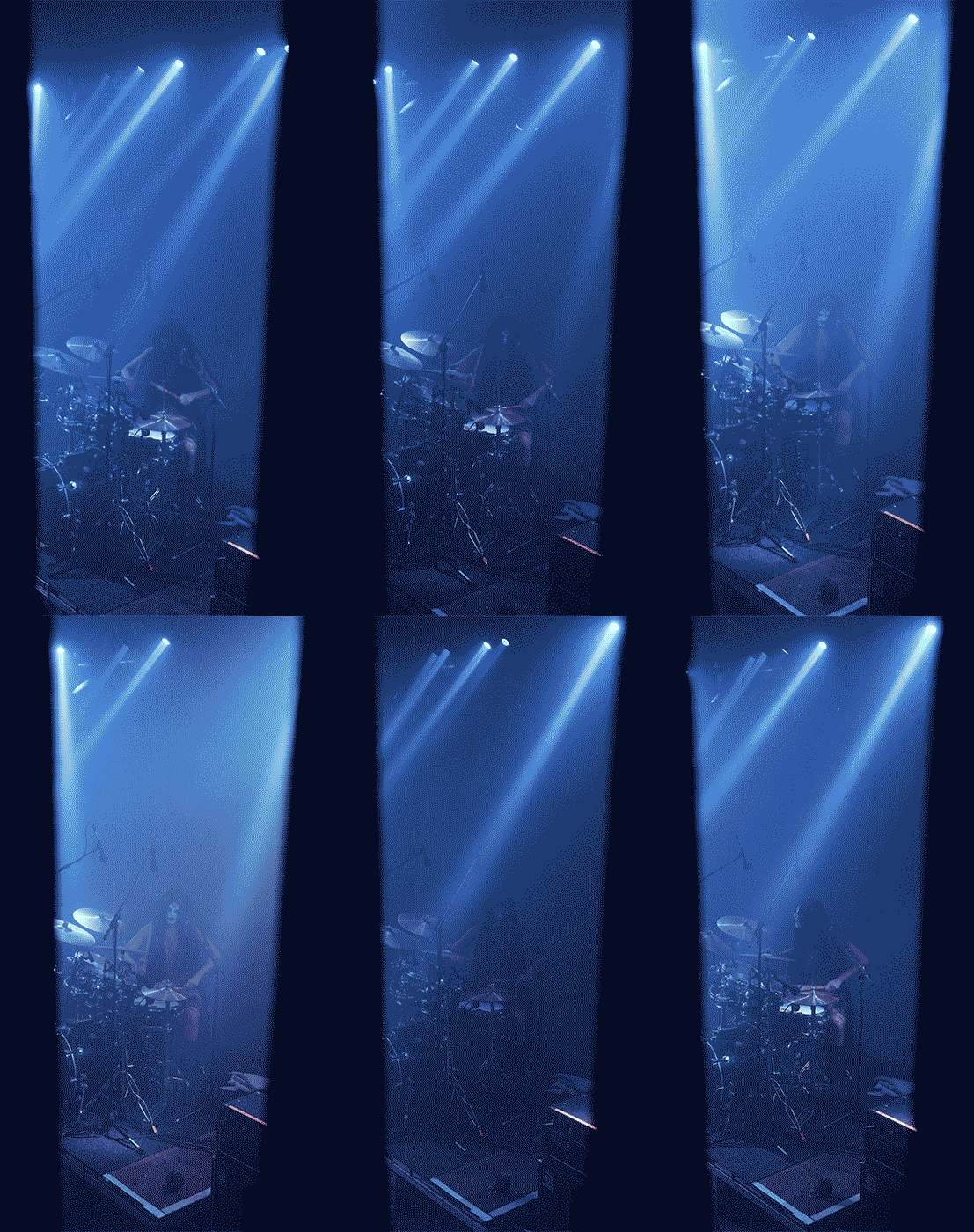
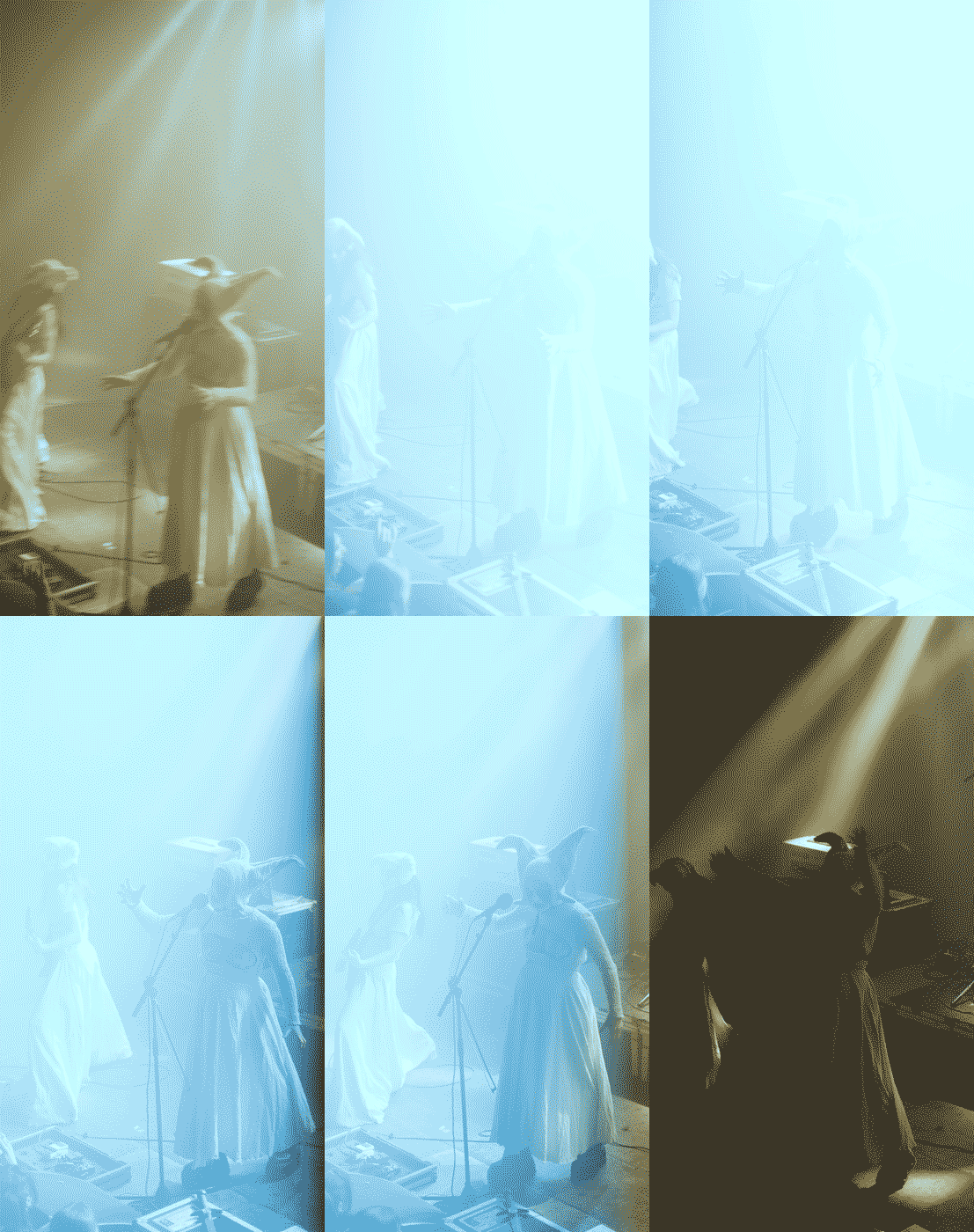
When Witch Club Satan step onto a stage, the air changes. The atmosphere thickens, charged with sweat, blood, and a magnetic kind of defiance. They don’t perform femininity – they weaponize it.
Throughout their current tour, that power feels almost supernatural. What strikes you most isn’t just the aggression of their black-metal ritual, but the precision of it – a choreography of resistance, dressed in blood-red and steel-black.
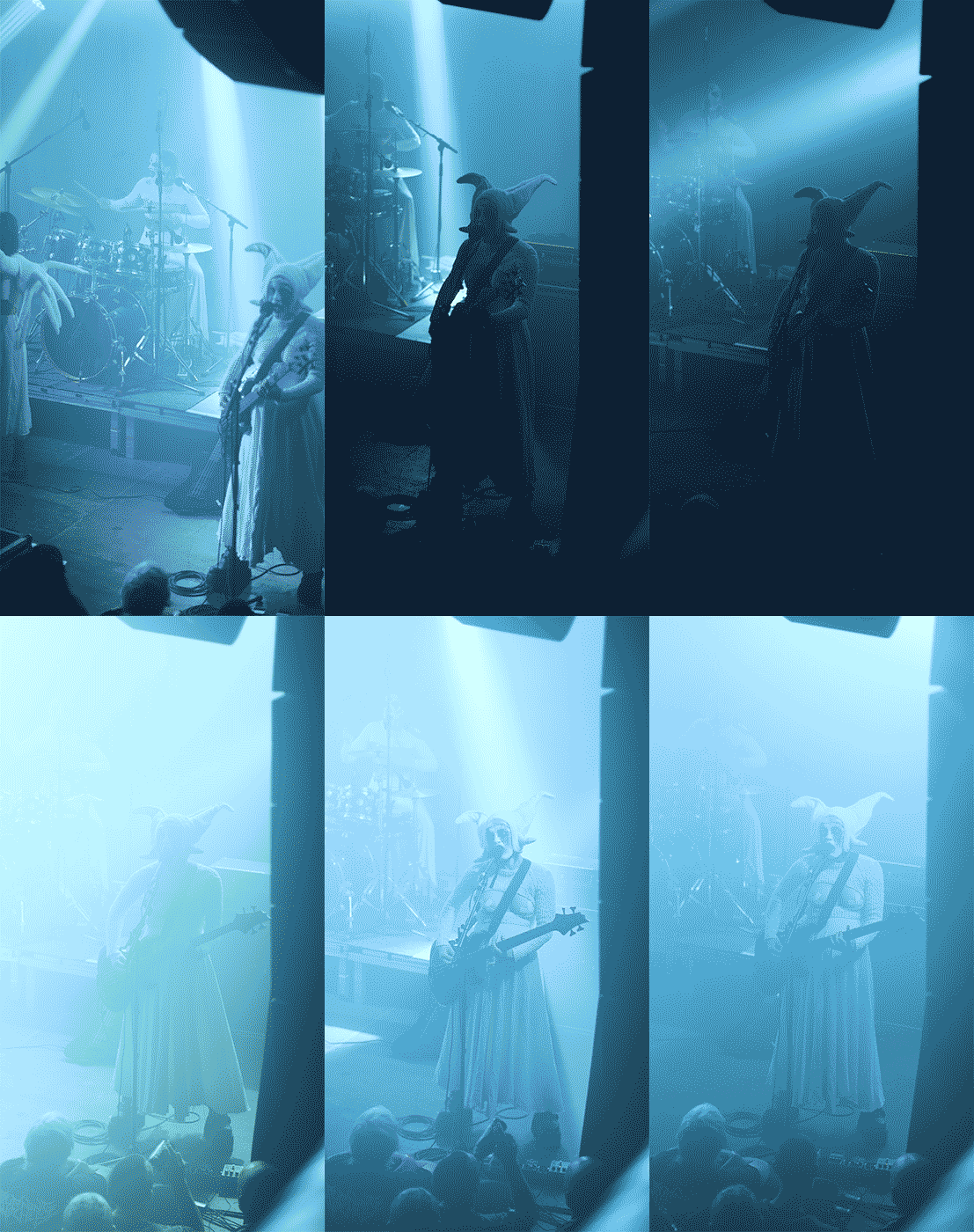
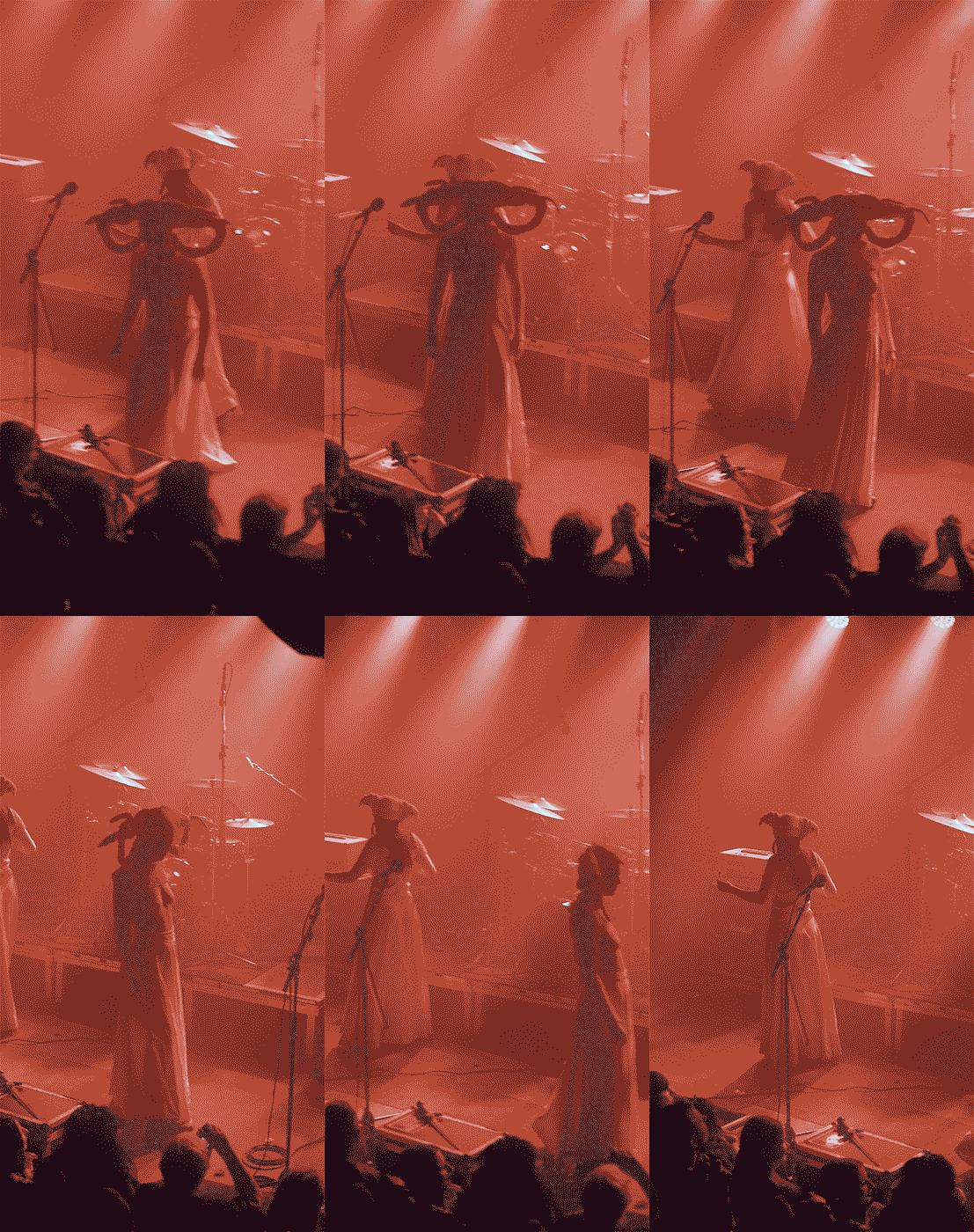
This time, the band has evolved from three to four members. Viktoria, now pregnant with twins, often finds it difficult to join photo sessions, but when the lights go down, she gathers all her strength and walks on stage with the calm fury of someone who refuses to be reduced – to a role, to a body, to a cliché. Watching her is like witnessing a spell take form. Her energy isn’t fragile; it’s mythic.
Photography – Laukart
Text –
Beside her stands Marita, the new bassist – her first tour with Witch Club Satan. She adds another layer of gravity to the sound, grounding the chaos with deep, pulsing notes. In photographs, Marita’s presence is striking – not as a replacement, but as a mirror: four women, four bodies, four currents of force intersecting.
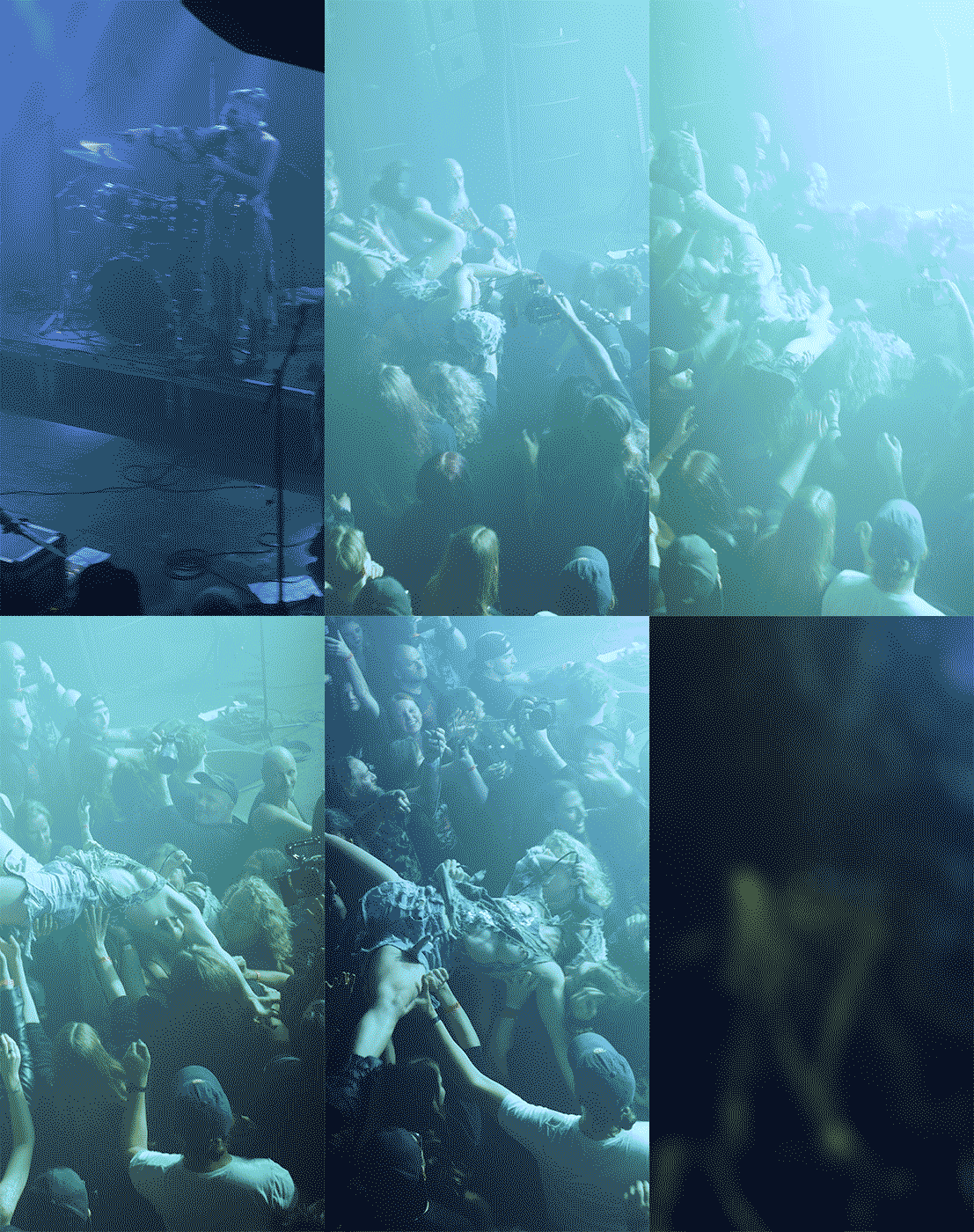
Witch Club Satan challenge the tired logic of provocation. They don’t exist to shock; they exist to reclaim. In a culture that still eroticizes female pain and sanitizes female power, their bodies on stage are acts of defiance. The sweat, the growls, the physical exhaustion – none of it is ornamental. It’s their form of language.
Their fashion is ritual armor: latex and leather not as fetish, but as resistance. The glossy surface becomes a shield, reflecting the gaze back to the viewer. What might look like provocation is, in truth, sovereignty – an insistence on owning the spectacle.
For Witch Club Satan, the body is not a spectacle to be consumed, but a weapon to be wielded. Their art is not about rebellion for its own sake; it’s about reclaiming the right to be unafraid. Watching Viktoria perform, carrying life within her while summoning destruction on stage, becomes a living metaphor: creation and annihilation, feminine and brutal, sacred and profane, all existing in one breath.
In that sense, Witch Club Satan are more than a band. They are a living artwork – a feminist invocation disguised as black metal. And perhaps that’s their ultimate provocation: not that they challenge norms, but that they make you question why those norms ever existed in the first place.